Free online image channel reorderer. Just drag and drop your image here, and it will automatically rearrange its red, green, blue, and alpha channels. In the options, you can define how the input pixels should be read and how their red, green, blue, and alpha components should be written to the result. You can also select PNG, JPEG, WebP, or BMP as the output format. Created by engineers from team Browserling.
Free online image channel reorderer. Just drag and drop your image here, and it will automatically rearrange its red, green, blue, and alpha channels. In the options, you can define how the input pixels should be read and how their red, green, blue, and alpha components should be written to the result. You can also select PNG, JPEG, WebP, or BMP as the output format. Created by engineers from team Browserling.
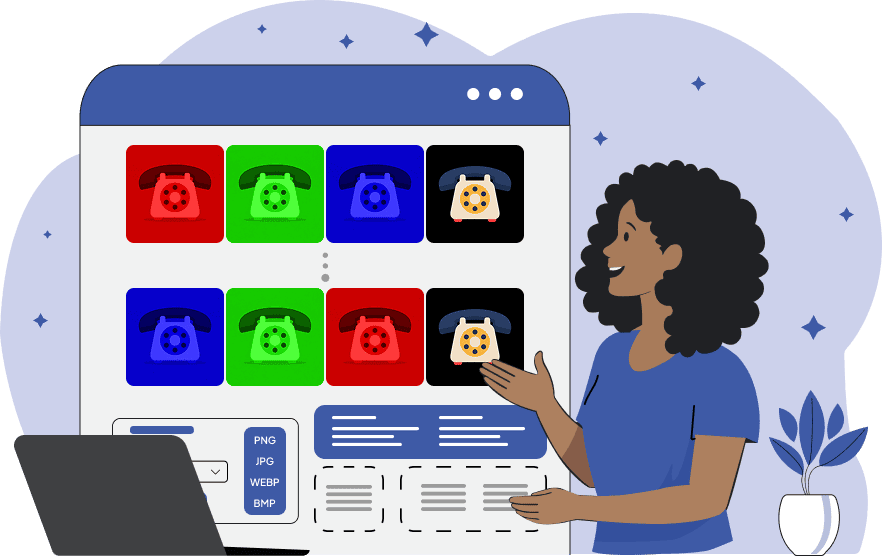
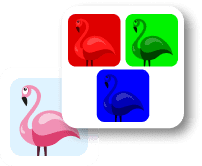
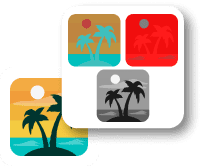
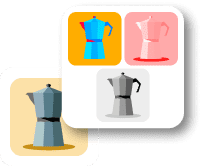
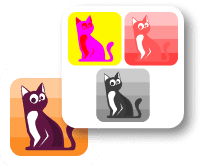
This tool reorders the red, green, blue, and alpha channels in an image. Normally, image pixels use RGBA order: red, green, blue, and alpha. The first three channels create the pixel color, and alpha controls how transparent it is. When the RGB channels change places, the colors change as well. For example, swapping red and blue can turn red flowers blue and blue skies red, while swapping red and green can turn green leaves reddish and orange areas bright green. If alpha remains last, the image keeps its original transparency. If alpha is moved into one of the color positions, its transparency values are used as color, and the channel moved into the alpha position begins controlling opacity. You can tell the tool how the channels in the source image are currently arranged and then select a new order for the resulting image. The output can use standard RGBA or another supported layout such as BGRA, GRBA, ARGB, or ABGR. You can save the reordered image as PNG, JPEG, WebP, or BMP. Image-abulous!
This tool reorders the red, green, blue, and alpha channels in an image. Normally, image pixels use RGBA order: red, green, blue, and alpha. The first three channels create the pixel color, and alpha controls how transparent it is. When the RGB channels change places, the colors change as well. For example, swapping red and blue can turn red flowers blue and blue skies red, while swapping red and green can turn green leaves reddish and orange areas bright green. If alpha remains last, the image keeps its original transparency. If alpha is moved into one of the color positions, its transparency values are used as color, and the channel moved into the alpha position begins controlling opacity. You can tell the tool how the channels in the source image are currently arranged and then select a new order for the resulting image. The output can use standard RGBA or another supported layout such as BGRA, GRBA, ARGB, or ABGR. You can save the reordered image as PNG, JPEG, WebP, or BMP. Image-abulous!
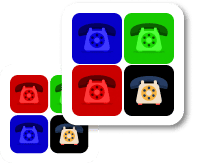
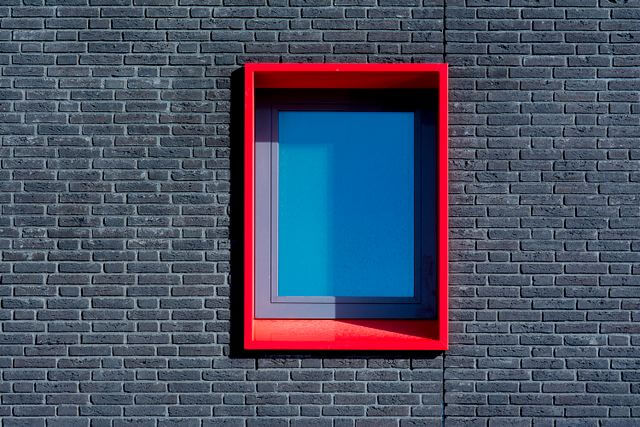
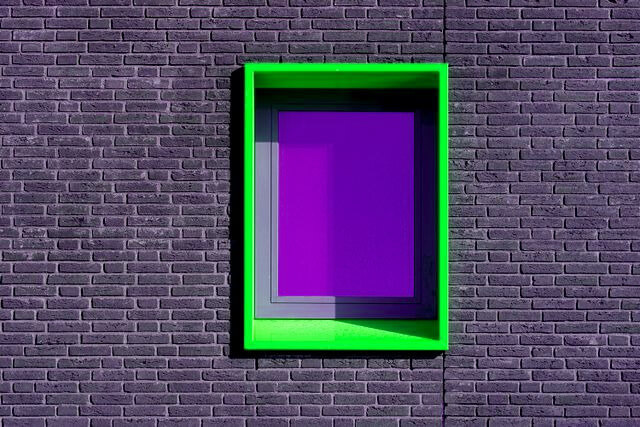
In this example, we change a window image from standard RGBA channel order to GRBA. Moving green into the red position and red into the green position turns the bright-red frame vivid green. Although the blue channel stays in the same position, the blue glass and even the blue-gray brick wall shift toward purple. This happens because these blue areas also contain some green, and when that green moves into the red position, it combines with blue to create a purple tint. (Source: Pexels.)
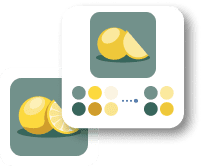
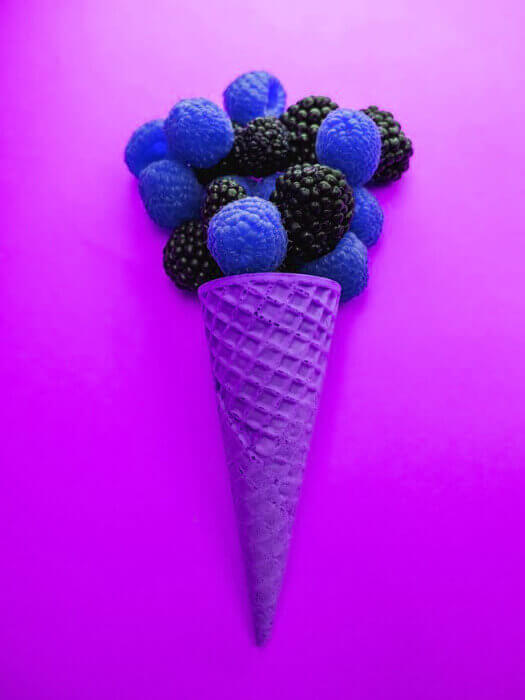
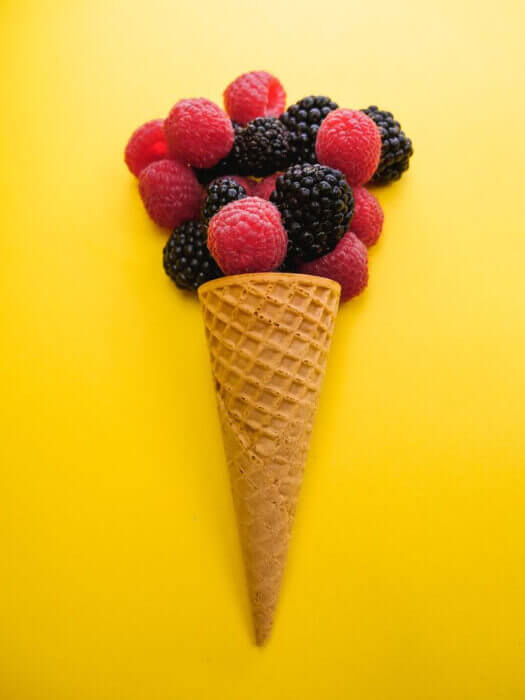
In this example, the input image pixels use GBRA order, which makes the yellow background look magenta, the red raspberries blue, and the golden waffle cone purple. We interpret the loaded pixels as GBRA and arrange them in the standard RGBA order. This restores the warm-yellow background, red berries, and brown cone. (Source: Pexels.)
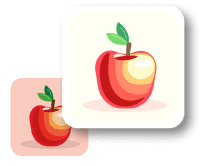
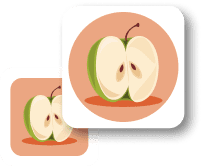
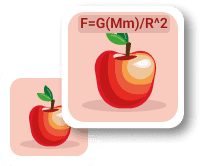
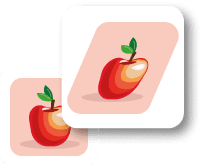
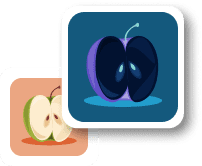
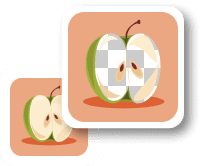
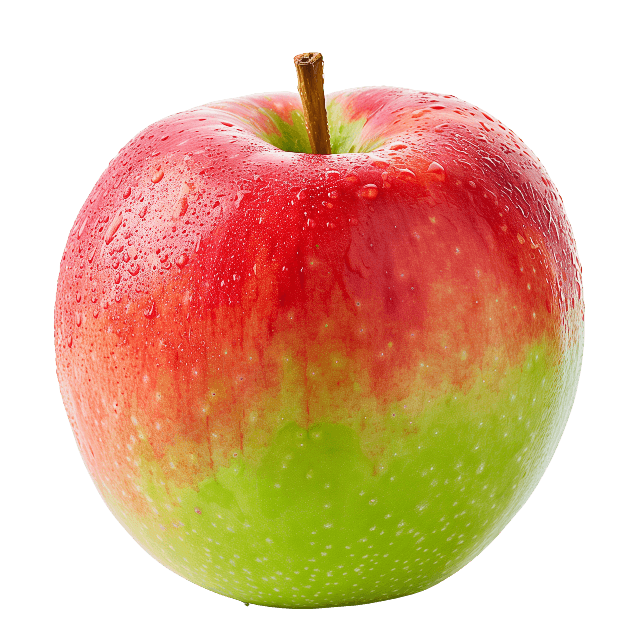
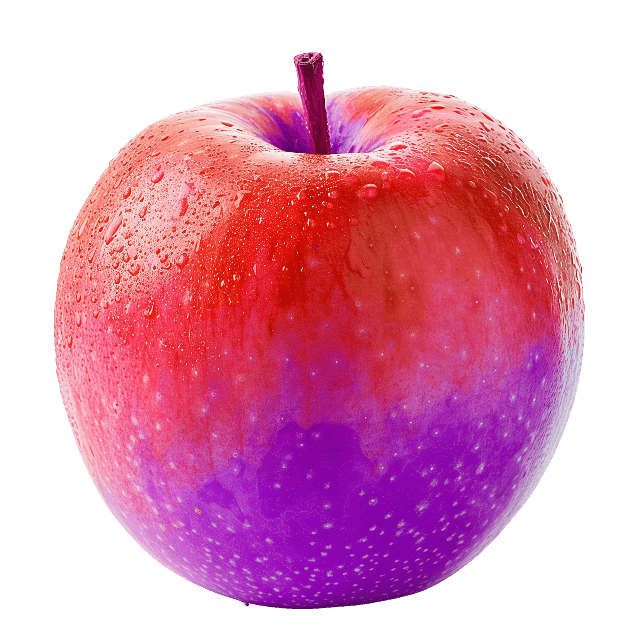
In this example, we reorder the channels of a transparent apple PNG from RGBA to RBGA. Red stays in the first position and alpha remains last, while the blue and green values exchange positions. As a result, the apple's red upper half remains the same, but its green lower half turns vivid purple and magenta. Because alpha does not move, the transparent background remains unchanged. (Source: Vecteezy.com.)
Edit images in your browser.
Place images on a grid so that they make a Fibonacci spiral.
Convert a PNG image to an ICO icon.
Convert an ICO icon to a PNG image.
Convert a PNG image to a TIFF image.
Convert a TIFF image to a PNG image.
Convert a JPEG image to an ICO icon.
Convert an ICO icon to a JPEG image.
Convert a JPEG image to a TIFF image.
Convert a TIFF image to a JPEG image.
Convert a GIF image to an ICO icon.
Convert an ICO icon to a GIF image.
Convert a GIF image to a TIFF image.
Convert a TIFF image to a GIF image.
Convert a GIF image to an APNG icon.
Convert an APNG image to a PNG image.
Convert a bitmap image to an ICO icon.
Convert an ICO icon to a bitmap image.
Convert a bitmap image to a TIFF image.
Convert a TIFF image to a bitmap image.
Convert a Webp image to an ICO icon.
Convert an ICO icon to a Webp image.
Convert a Webp image to a TIFF image.
Convert a TIFF image to a Webp image.
Create an animated GIF image from static frames.
Create an image from an B, G, R array.
Create an image from an R, G, B, A array.
Create an image from an B, G, R, A array.
Increase the quality of an image.
Decrease the quality of an image.
Remove the pixelation effect from an image.
Remove the blur effect from an image.
Apply OCR on an image and extract all text from it.
Erase text or label from an image.
Erase any object from an image.
Convert an image to a thumbnail
Convert a PNG, GIF, JPG or BMP to glitch art.
Let Zalgo destroy an image.
Change an image color space to HSL, HSV, CMYK, or RGB.
Create a mosaic wall from multiple images.
Create an ASCII art image from a regular image.
Create an ANSI art image from a regular image.
Create a Unicode art image from a regular image.
Create a Braille art image from a regular image.
Add a short one-line label to an image.
Remove a watermark from an image.
Create an image made out of dots of varying size and spacing.
Convert an image to a bunch of blocks.
Create a GIF from the original image with interlacing effect.
Subscribe to our updates. We'll let you know when we release new tools and features, and when we organize online workshops.
Enter your email here
We're Browserling — a friendly and fun cross-browser testing company powered by alien technology. At Browserling we love to make people's lives easier, so we created this collection of image editing tools. Our tools have the simplest user interface that doesn't require advanced computer skills and they are used by millions of people every month. Our image tools are actually powered by our web developer tools that we created over the last couple of years. Check them out!