This is a free and fast online utility that converts bitmap images to compact 16-bit BMPs. Just load an image, choose the RGB 5-6-5 or RGB 5-5-5 channel layout, and the converter will pack every output pixel into a two-byte value. You can use the configuration options (below) to replace the alpha transparency with a solid background color. Created by graphics designers from team Browserling.
This is a free and fast online utility that converts bitmap images to compact 16-bit BMPs. Just load an image, choose the RGB 5-6-5 or RGB 5-5-5 channel layout, and the converter will pack every output pixel into a two-byte value. You can use the configuration options (below) to replace the alpha transparency with a solid background color. Created by graphics designers from team Browserling.
This free online browser-based program packs image pixels into the compact 16-bit BMP format. A 16-bit bitmap stores each pixel in one two-byte value instead of using three bytes as in a 24-bit BMP or four bytes as in a 32-bit BMP. You can select the RGB 5-6-5 layout, which assigns five bits to red, six bits to green, and five bits to blue, providing 32 red levels, 64 green levels, 32 blue levels, and up to 65,536 color combinations. The extra green bit improves precision in the channel to which human vision is most sensitive. Alternatively, RGB 5-5-5 assigns five bits to every color channel, provides 32,768 color combinations, and leaves one bit in the 16-bit value unused. This layout is useful when working with software or graphics formats that expect equal-width RGB components. During conversion, 8-bit channel values are reduced to the available five- or six-bit levels, so fine gradients may show slight color banding. In the options, you can choose the 5-6-5 or 5-5-5 layout and set a background color for images with transparency. Since these 16-bit layouts do not include an alpha channel, transparent and semi-transparent pixels are blended with the selected background before the final pixel values are encoded. Bmp-abulous!
This free online browser-based program packs image pixels into the compact 16-bit BMP format. A 16-bit bitmap stores each pixel in one two-byte value instead of using three bytes as in a 24-bit BMP or four bytes as in a 32-bit BMP. You can select the RGB 5-6-5 layout, which assigns five bits to red, six bits to green, and five bits to blue, providing 32 red levels, 64 green levels, 32 blue levels, and up to 65,536 color combinations. The extra green bit improves precision in the channel to which human vision is most sensitive. Alternatively, RGB 5-5-5 assigns five bits to every color channel, provides 32,768 color combinations, and leaves one bit in the 16-bit value unused. This layout is useful when working with software or graphics formats that expect equal-width RGB components. During conversion, 8-bit channel values are reduced to the available five- or six-bit levels, so fine gradients may show slight color banding. In the options, you can choose the 5-6-5 or 5-5-5 layout and set a background color for images with transparency. Since these 16-bit layouts do not include an alpha channel, transparent and semi-transparent pixels are blended with the selected background before the final pixel values are encoded. Bmp-abulous!
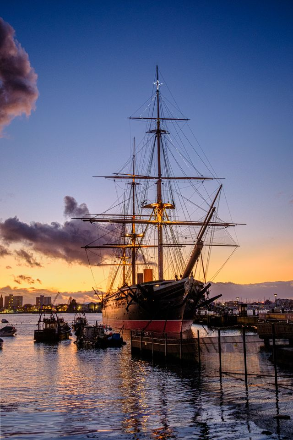
In this example, we convert a 24-bit BMP of a sailing ship in a harbor at sunset to a 16-bit 5-5-5 bitmap. We reduce each color channel from eight bits to five, allowing up to 32,768 color combinations and leaving one bit in each two-byte pixel unused. The file becomes smaller while keeping the ship's masts, rigging, and reflections recognizable. However, the reduced color precision creates visible bands in the smooth blue-to-gold sky. (Source: Pexels.)

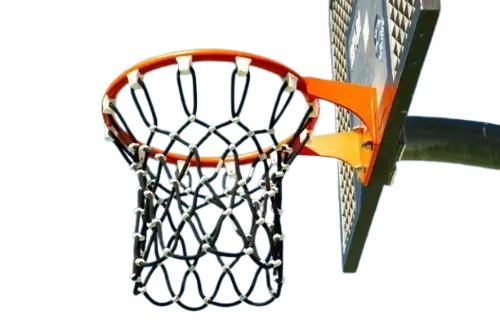
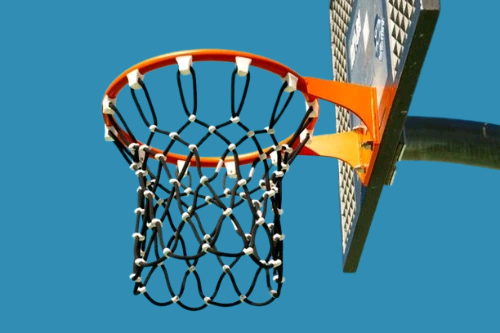
This example converts a transparent WebP of a basketball hoop to a 16-bit BMP with 5-6-5 RGB packing. We replace the alpha transparency with a sky-blue (#318eb0) background. The 5-6-5 layout packs each pixel into two bytes, using five bits for red, six for green, and five for blue. The result is a fully opaque 16-bit bitmap with up to 65,536 color combinations. (Source: Pexels.)
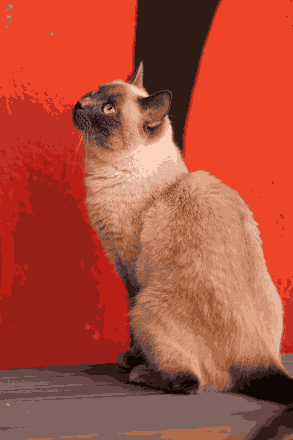
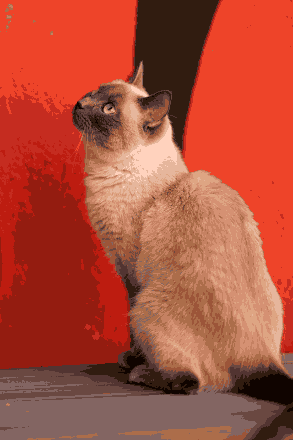
In this example, we convert a 4-bit indexed BMP of a Siamese cat to a 16-bit bitmap with a 5-6-5 bit layout. The original image stores only palette references, with no more than 16 colors available across the entire picture. We replace these indexes with direct two-byte pixel values, so each pixel carries its own color instead of pointing to a shared palette. Although the 16-bit format can represent many more colors, the conversion preserves the source image's limited, patchy color appearance because no new color information is added. (Source: Pexels.)
Create and edit bitmaps in your browser.
Make a bitmap smaller in size.
Convert a compressed bitmap to a raw RGB pixel bitmap.
Create a swirl of any radius in a bitmap.
Join two or more bitmaps together.
Place two or more bitmaps on top of each other.
Split a bitmap into multiple independent bitmaps.
Extract one or more selected areas from a bitmap.
Make copies of bitmaps and paste them together.
Skew a bitmap by an arbitrary angle.
Shift a bitmap to the left or right.
Convert a BMP to a Webp.
Convert a Webp to a BMP.
Convert a BMP to a PNG.
Convert a PNG to a BMP
Convert a BMP to a JPG.
Convert a JPG to a BMP.
Convert a BMP to a BPG.
Convert a BPG to a BMP.
Save GIF frames as BMP images.
Convert a bitmap to a single-frame GIF.
Create a Data URL scheme of a bitmap.
Convert a Data URL scheme back to a bitmap image.
Bit Blit two or more BMPs.
Put a new color table in a BMP.
Extract the color table of a BMP.
Extract raw RGB pixels from a BMP and print them out as text.
Create a bitmap image from raw RGB pixels.
Randomly rearrange colors in the BMP color table.
Reduce a BMP's memory footprint.
Destroy parts of a bitmap and make it glitchy.
Subscribe to our updates. We'll let you know when we release new tools and features, and when we organize online workshops.
Enter your email here
We're Browserling — a friendly and fun cross-browser testing company powered by alien technology. At Browserling, we love to make people's lives easier, so we created this collection of online bitmap tools. Our BMP tools have the simplest possible user interface and work directly in your browser without downloads or installations. You can use them to edit bitmap images, change BMP bit depth and colors, resize bitmaps, create transparent BMPs, work with bitmap pixels and byte arrays, and much more. Behind the scenes, our bitmap tools are powered by our web developer tools that we've created over the years. Check them out!